How we scope a job
Every move starts with a walk-through, either in person or on a video call where you carry the phone from room to room. From that we work out crew size, truck size, and any awkward pieces, such as a piano or a gun safe, that change how the day is planned.
The number you get in writing is the number you pay, and if the scope changes on the day because a garage turned out to have more in it than expected, you hear about it before we load anything, not after.
Training that starts before a customer ever sees a mover
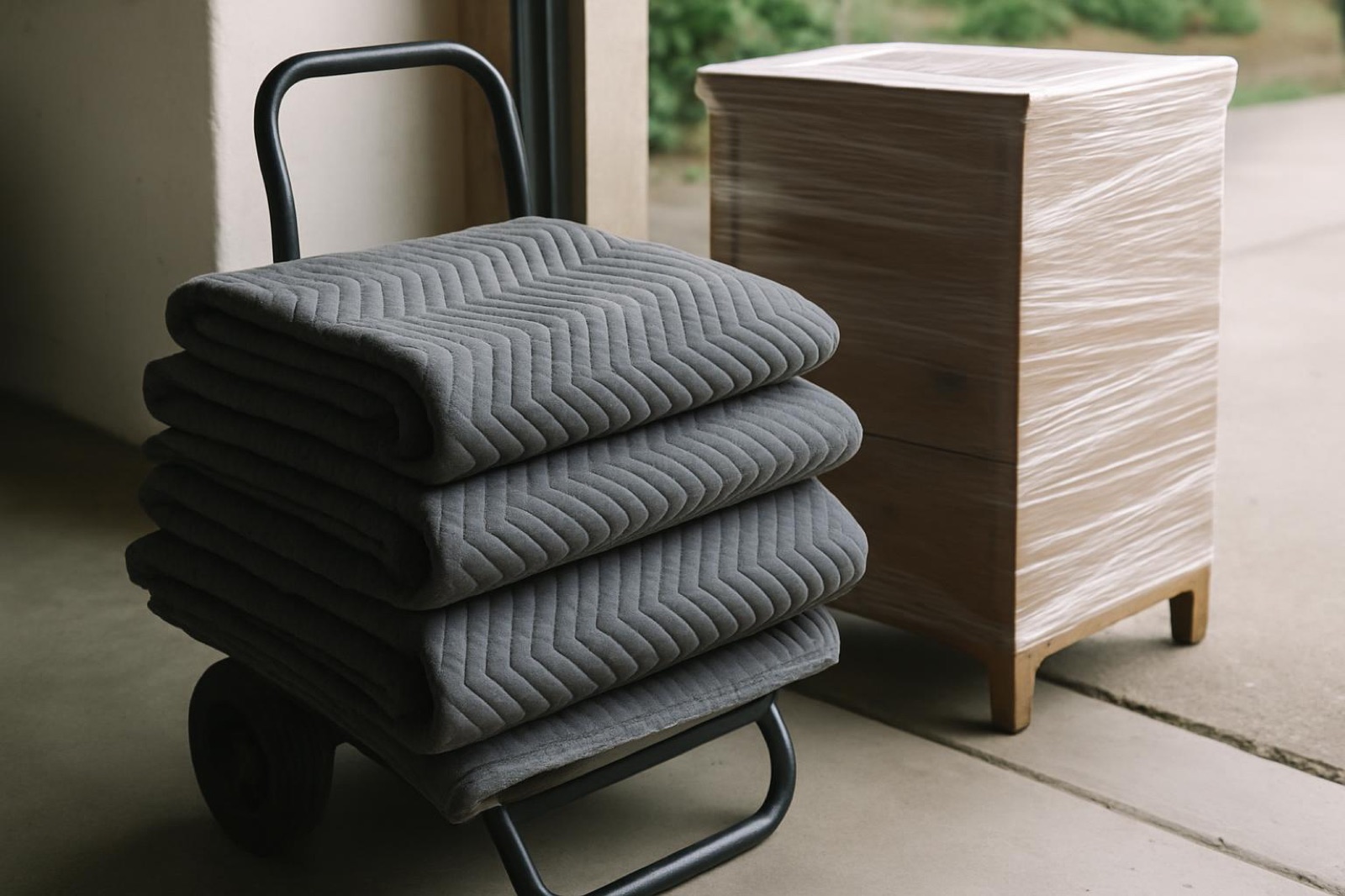
New crew members learn to pad and wrap furniture, build a tight load in the truck, and handle a dolly on a ramp before they are sent to a customer's home. Packers train separately on dish boxes, wardrobe cartons, and artwork.
Marisol runs the scheduling desk and is usually the first person a customer talks to, matching crew size and truck size to the job before anyone steps foot in the driveway.
Why the valley shapes how we work
Santa Clarita is not one uniform place. A move in a gated Valencia community looks nothing like a move down a narrow Newhall street or up a Canyon Country hillside, and treating them the same way is how quotes end up wrong and days end up running long.
Because our crews work these neighborhoods every week, they already know where a truck can turn, which buildings need an elevator reservation, and which streets get hot enough by early afternoon that the schedule has to shift earlier.
What we ask of ourselves
We treat every home the way we would want our own things treated: padded, wrapped, and set down in the right room rather than piled by the garage. If something does not go to plan, we say so plainly and work out a fix rather than hoping it goes unnoticed.
That standard applies whether the job is a single sofa across town or a full house headed over the Grapevine.